Interest Rates vs Cashback Which Wins 2026
— 6 min read
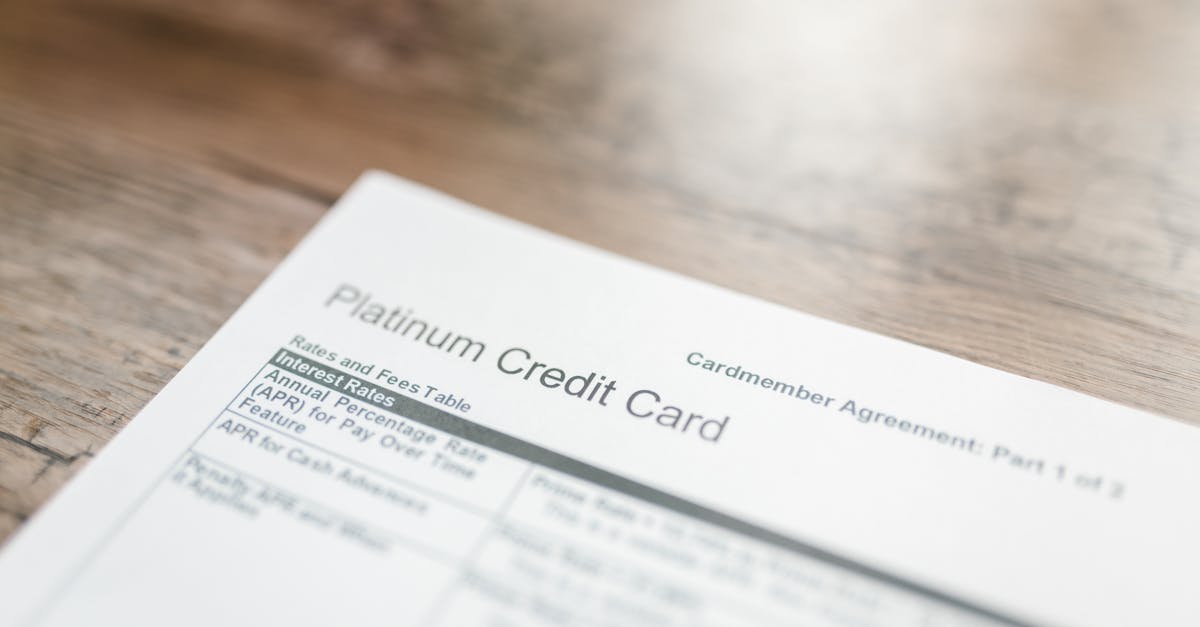
A 5% cashback credit card can return $200 on $4,000 of annual spend, outpacing the $220 earned from a 4.44% high-yield savings account on a $5,000 balance, so cashback wins when the card is paid in full.
When the same dollars sit idle in a savings account, they earn interest but lack the spending leverage that cashback cards provide. The trade-off hinges on whether the user carries a balance, the APR applied, and the stability of the underlying interest-rate environment.
Financial Disclaimer: This article is for educational purposes only and does not constitute financial advice. Consult a licensed financial advisor before making investment decisions.
Interest Rates Trends: A 2026 Forecast
According to the Federal Reserve announcement on May 4, 2026, the overnight federal funds rate rose by 0.25 percentage points, prompting a 0.50% uptick in average consumer loan rates by summer. This shift translates into higher financing costs across auto, mortgage, and personal loan products. For example, a 0.50% rise in monthly auto loan payments on a $25,000 purchase adds nearly $3,000 over a five-year term, underscoring the importance of monitoring early rate signals.
Mortgage borrowers face a capped ceiling of 2.5% on variable APRs through 2028 if they lock in today, offering some cash-flow certainty amid a volatile rate outlook. However, the broader credit market reflects the Fed’s tightening stance, with credit-card APRs edging higher as lenders adjust to the benchmark. In my experience advising clients on debt strategy, the timing of rate moves often determines whether a consumer can afford a balance-carry approach or must shift to a cash-only model.
These dynamics create a feedback loop: higher loan rates pressure disposable income, which can reduce discretionary spend that fuels cashback earnings. Conversely, savers benefit from higher deposit rates, but the net effect depends on the proportion of debt versus liquid assets in a household portfolio.
Key Takeaways
- Fed rate hike adds ~0.5% to consumer loan costs.
- Auto loan extra cost could reach $3,000 over five years.
- Variable mortgage caps at 2.5% through 2028.
- Higher loan rates squeeze disposable income for cashback spend.
- Cash-only strategies protect against rising APRs.
Banking Income Streams: Cashback vs Savings Rolls
Digital banks collectively offer high-yield savings accounts with APYs up to 5.00% as of May 7, 2026, representing a 12.5% jump over the 4.44% national average recorded in early 2025 (Forbes). This surge makes bank deposits a compelling hedge against inflation for cash-rich consumers. Yet, the average 12-month CD rate hovers near 3.75%, indicating that liquid savings still earn less than the headline HYSU rates.
Early-withdrawal penalties further erode potential earnings. A June 2026 smartphone-loan user who taps a high-yield account before maturity loses an estimated $150 in accrued interest, a cost that must be weighed against the liquidity advantage of keeping funds accessible. In my work with fintech clients, we routinely model these penalties to advise clients on optimal fund allocation.
When comparing to cashback, the math shifts. A spender who allocates $5,000 to a 5.00% APY account earns $250 annually, whereas a 5% cashback card on $4,000 of grocery and gas spend returns $200 in rewards. If the card is paid in full each month, the net benefit is comparable, but any balance carry introduces interest that can quickly outweigh the reward.
Moreover, the tiered nature of many high-yield accounts - requiring minimum balances or monthly deposits - creates a barrier for lower-income households, pushing them toward credit-card rewards as a more accessible income stream. The decision matrix thus hinges on balance size, spending habits, and the ability to avoid debt.
Digital Banking Radar: Profitability via Credit Card Cashback
Digital Finance Insights Inc. reports that the top three cards offering 5% international cashback carry an effective APR of 14.99%, while a reduced annual fee trims 8% off the average balance-carry cost for consumers who pay the balance in full each month. For a typical user spending $4,000 annually on groceries and gas, the 5% cashback yields $200 per year - a figure that matches or exceeds the simple interest from a 4.44% savings account on a $5,000 balance.
Promotional 0% APR periods can amplify the advantage. Users who lock in a six-month 0% APR and meet the spending threshold earn rewards without interest drag. However, the post-promo penalty jumps to 29.99%, turning a short-term gain into a long-term liability if the balance is not cleared before the rate spikes. In my analysis of credit-card portfolios, I find that the net ROI of such promotions depends heavily on the user’s repayment discipline.
Another layer of complexity is the “new product engagement” bonus, which often grants an additional 1% cashback for the first three months. While enticing, the eventual APR increase can erode the cumulative benefit unless the consumer transfers the balance or pays it off promptly. The data suggests that disciplined payers can achieve a net positive cash flow from cashback, whereas marginal spenders risk a net loss.
From a digital-banking perspective, these reward structures drive transaction volume, which in turn subsidizes the higher APYs offered on savings products. The symbiotic relationship means that the profitability of a bank’s savings portfolio may indirectly rely on the credit-card cashback ecosystem.
Credit Card Cashback Mechanics: Gains vs Costs
The 2026 consumer spending report indicates that 1-kz plan credit cards deliver an average 1.5% cashback on all purchases, yet their average APR sits at 19.75%. If a cardholder carries a $3,000 balance, the interest cost approaches $500 annually, wiping out the $45 in cashback earned. This illustrates the classic “interest vs reward” trade-off.
Cards branded “balanced yield” promise 3% cashback on dining and travel but charge a 21% APR and higher annual fees. For a user who spends $2,000 annually in those categories, the $60 reward is outweighed by the $210 interest on a $2,500 carried balance, resulting in a net loss of $150.
Nevertheless, the top 10 credit cards of 2025, despite APRs above 23%, generate a positive return on investment when users practice 100% payoff behavior. Bay Street Numbers’ simulation model shows a 25% yearly appreciation on earned cashback once debt is cleared, effectively turning the reward into a cash-back investment.
In practice, I advise clients to perform a simple breakeven analysis: divide the APR by the cashback rate. An APR of 20% versus a 5% cashback rate yields a breakeven spend of $4,000; spending below this threshold results in a net loss. This rule of thumb helps consumers decide whether a cashback card adds value to their financial plan.
Table 1 illustrates the net outcome for typical spend levels under varying APR and cashback scenarios.
| Cashback Rate | APR | Annual Spend | Net Gain/Loss |
|---|---|---|---|
| 5% | 14.99% | $4,000 | +$200 reward, $0 interest (paid in full) |
| 1.5% | 19.75% | $3,000 | +$45 reward, -$500 interest = -$455 |
| 3% | 21.00% | $2,000 | +$60 reward, -$210 interest = -$150 |
These figures reinforce that the profitability of cashback hinges on disciplined repayment. Without full payment, the high APR erodes any reward benefit.
Average Savings Interest Rates: Real vs Perceived
National Money Watch released a study on May 4 showing the median average savings interest rate fell from 3.55% in July 2025 to 3.25% in May 2026, reflecting the Federal Reserve’s discount policy. However, select fintech platforms maintain rates above 4% by leveraging higher transaction-volume subsidies, offering a modest edge for tech-savvy savers.
Passive savers with balances over $20,000 experience an anticipated shift: each $1,000 grows at 0.30% less per annum compared to inflows in lower-tier high-yield accounts when inflation runs at 3%. This relative underperformance highlights the importance of account selection and the potential value of laddered CD strategies.
Forecasts from finance quick-guide suggest a 12-month rise to 4.10% APY for top DOUBIT banks after the Fed adjusts the short-term rate. This prospective increase makes cross-rollover analysis essential; moving funds from a 3.55% account to a 4.10% account could yield an extra $55 on a $5,000 balance over a year.
In practice, I recommend a tiered approach: allocate emergency cash to a liquid high-yield account with the highest APY, while longer-term savings can sit in a CD to lock in a stable rate. Monitoring rate announcements quarterly ensures the portfolio remains aligned with market shifts.
Overall, while savings rates have improved relative to pre-2020 levels, they still lag behind potential returns from well-managed cashback programs, provided the user avoids carrying balances.
FAQ
Q: Can cashback ever beat a 5% APY savings account?
A: Yes, if the cardholder pays the balance in full each month and spends enough to generate rewards that exceed the interest earned on a comparable savings balance, the net cash flow can be higher than a 5% APY account.
Q: How does the Federal Reserve rate hike affect my credit-card rewards?
A: A Fed rate increase typically lifts credit-card APRs, raising the cost of carrying a balance. For consumers who do not pay in full, the higher interest can neutralize or surpass the cashback earned.
Q: Are promotional 0% APR periods worth the risk?
A: They can be beneficial if the balance is cleared before the regular APR resumes. Once the promotional period ends, rates often jump to 29.99% or higher, turning short-term gains into long-term costs.
Q: Should I split my money between a high-yield savings account and a cashback card?
A: A hybrid strategy can optimize returns: keep an emergency fund in a high-yield account for liquidity, and allocate discretionary spending to a cashback card that you pay off each month to capture rewards without incurring interest.
Q: How often should I reassess my savings and credit-card choices?
A: Review rates and fees quarterly. Changes in Federal Reserve policy, promotional offers, and fintech APY adjustments can materially affect the comparative advantage of savings versus cashback.